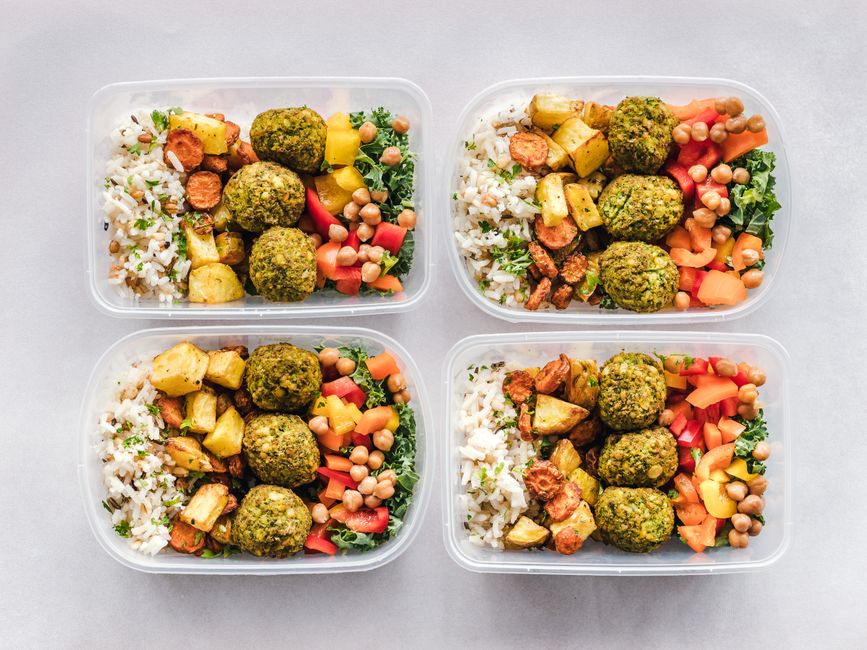
Meal Prep for Beginners: A Week of Healthy Eating
Meal preparation is a structured approach to planning and assembling meals in advance, often for a week at a time. For those new to the practice, it involves selecting recipes, purchasing ingredients, and allocating time to cook and portion food. The primary goal is to create a consistent framework for eating that aligns with personal health objectives and daily schedules. This article outlines a step-by-step method to prepare balanced meals for a week, using practical strategies that can be adapted to various dietary preferences and lifestyles.
While the concept may seem daunting, breaking it down into manageable phases simplifies the process. The approach emphasizes organization and efficiency, helping individuals reduce reliance on spontaneous food choices. By dedicating a few hours each week to preparation, many people find it easier to maintain a balanced diet and avoid last-minute takeout orders. The following sections provide a detailed guide, from setting up a plan to storing meals safely.
Planning Your Weekly Menu
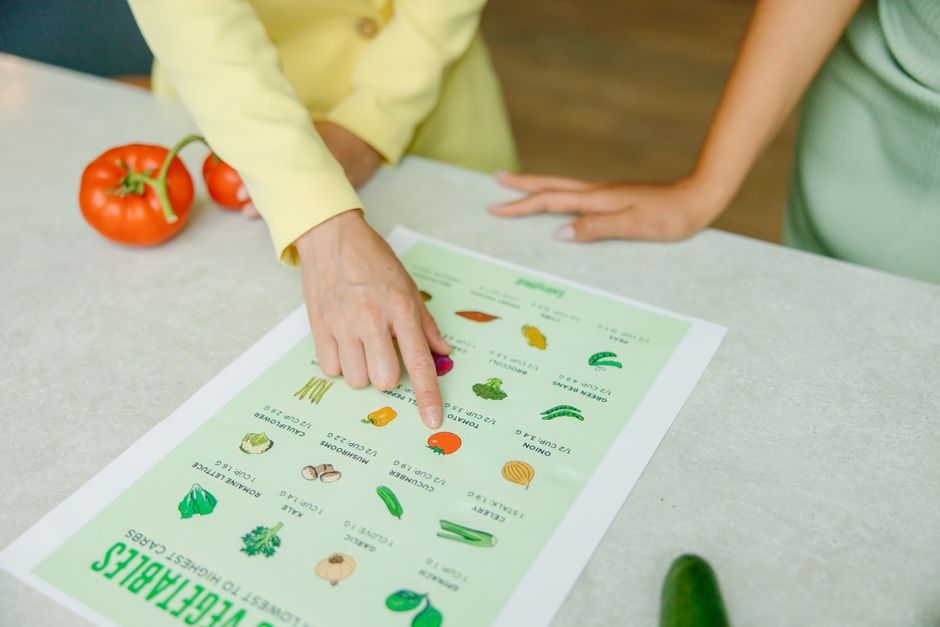
Effective meal prep begins with a clear plan. Start by considering your weekly schedule, including work commitments, social events, and any days you might eat out. This helps determine how many meals you actually need to prepare. For beginners, it is often helpful to focus on lunches and dinners for five days, leaving weekends flexible. Next, choose a variety of recipes that incorporate lean proteins, whole grains, vegetables, and healthy fats. Aim for a balance of macronutrients and micronutrients to support overall well-being. Writing down your menu for the week not only provides direction but also serves as a shopping list.
When selecting recipes, consider those that share ingredients to minimize waste and simplify shopping. For example, if a recipe calls for bell peppers, plan another meal that uses them as well. Additionally, think about cooking methods that allow for multitasking, such as roasting vegetables while grains cook on the stovetop. If you are short on time, opt for recipes with minimal prep work or that can be assembled quickly. Remember that variety is important to prevent monotony, but starting with a few familiar dishes can build confidence.
Grocery Shopping and Ingredient Selection
Once your menu is set, create a detailed shopping list organized by grocery store sections: produce, proteins, dairy, pantry items, and frozen goods. This reduces time spent backtracking and helps ensure you purchase everything needed. When selecting ingredients, prioritize fresh produce that is in season for better flavor and cost. For proteins, consider options like chicken, fish, tofu, or legumes, depending on your dietary preferences. Whole grains such as brown rice, quinoa, or oats provide sustained energy and fiber. Healthy fats from olive oil, avocados, nuts, and seeds can be included in moderation.
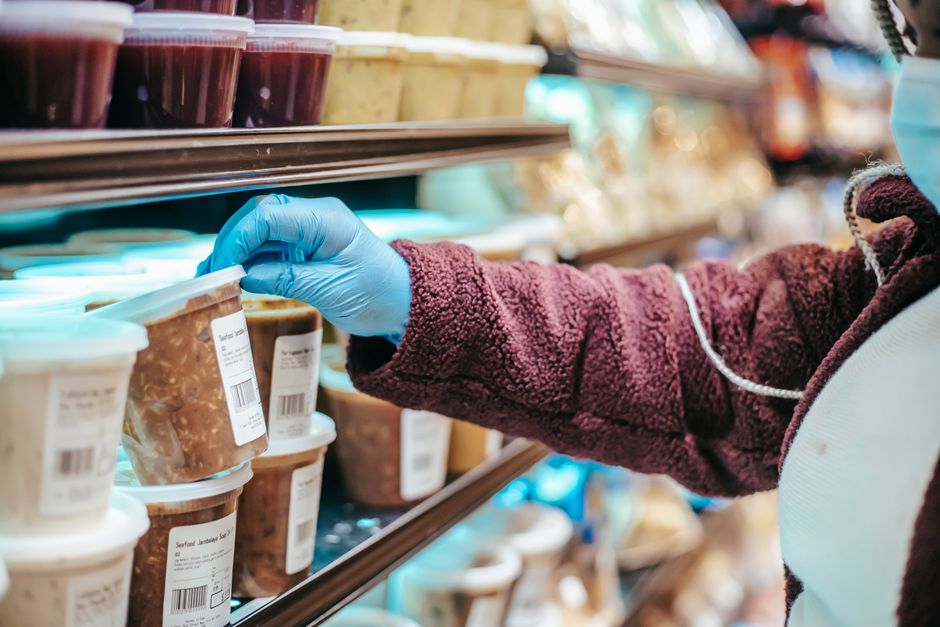
If you shop at a store like Whole Harvest, you might find a range of products that align with balanced eating, though the principles here apply to any grocery source. It is advisable to read labels and choose items with minimal added sugars and sodium. Frozen fruits and vegetables are nutritious alternatives to fresh, as they are often picked and frozen at peak ripeness. Canned beans and tomatoes can be convenient, but opt for low-sodium versions when available. Buying in bulk for staples like oats, rice, and spices can be cost-effective, but ensure you have proper storage to maintain freshness.
Preparation and Cooking Strategies
Set aside a block of time, typically two to three hours, for cooking and assembling meals. Begin by washing and chopping vegetables, which can be done in advance and stored in airtight containers. While prepping, start cooking items that take longer, such as grains or roasted vegetables. Use multiple appliances simultaneously: the oven for roasting, the stovetop for simmering, and a slow cooker for soups or stews. This parallel cooking approach maximizes efficiency. If you prefer, you can also prepare components separately and combine them later, allowing for more flexibility in flavors.
Portioning meals into individual containers makes it easy to grab and go. Use containers that are microwave-safe and have compartments to keep foods separate. For salads, keep dressings and wet ingredients apart until serving. When cooking proteins, consider preparing them with different seasonings to add variety without extra effort. For instance, plain grilled chicken can be transformed into a stir-fry, salad topping, or wrap filling with different sauces and spices. This modular approach prevents taste fatigue and allows for creativity.
Storage and Food Safety
Proper storage is critical to maintain food quality and safety. Allow cooked foods to cool slightly before refrigerating, but do not leave them at room temperature for more than two hours. Use shallow containers for faster cooling, and label each with the date and contents. Most cooked meals can be stored in the refrigerator for three to four days. If you plan to extend beyond that, freezing is an option for many dishes. For example, soups, stews, and casseroles freeze well, while fresh salads and cut fruits may not. Always reheat leftovers to an internal temperature of 165°F (74°C) to ensure safety.
Organize your refrigerator so that older items are in front and newer ones behind, following the first-in-first-out principle. This reduces the likelihood of food spoilage and waste. Keep raw meats separate from ready-to-eat foods to prevent cross-contamination. Clean your refrigerator regularly and check for expired items. By following these practices, you can enjoy your prepared meals with confidence.
Adapting and Maintaining the Routine
Meal prep is not a one-size-fits-all solution. As you become more comfortable, you can adjust the frequency, recipes, and portion sizes to suit your needs. Some people prefer to prep only ingredients and cook fresh daily, while others prepare full meals. The key is to find a rhythm that feels sustainable. If you miss a week, simply resume when possible without self-criticism. Over time, this practice can become a habit that supports your health goals.
Consider involving family members or roommates to share the workload and make it a social activity. Trying new recipes keeps the process interesting and expands your culinary skills. Remember that the ultimate aim is to reduce stress around eating and to make balanced choices more accessible. With planning and consistency, meal prep can be a valuable tool for anyone seeking to eat healthier.