Understanding Macronutrients: A Beginner’s Guide
Macronutrients are the nutrients that provide the energy required for human physiological functions. They are needed in large quantities and include carbohydrates, proteins, and fats. Each macronutrient has specific roles in the body, from fueling cellular processes to building and repairing tissues. A balanced intake of these nutrients is essential for maintaining overall health and sustaining energy levels throughout the day.
This guide offers an overview of carbohydrates, proteins, and fats. It examines their functions, food sources, and the concept of macronutrient balance. The information presented is based on general nutritional science and is intended for educational purposes. Individual needs vary, and consulting a healthcare professional for personalized advice is recommended.
Understanding macronutrients can help individuals make informed dietary choices. The following sections explain each macronutrient in detail and discuss considerations for achieving a balanced intake.
What Are Macronutrients?
Macronutrients are chemical compounds that the body requires in relatively large amounts to function properly. They are distinct from micronutrients, such as vitamins and minerals, which are needed in smaller quantities. The three primary macronutrients are carbohydrates, proteins, and fats. Each provides energy measured in calories: carbohydrates and proteins yield about 4 calories per gram, while fats provide about 9 calories per gram.
Beyond energy, macronutrients serve structural and regulatory roles. Proteins are fundamental for building and repairing tissues, producing enzymes and hormones, and supporting immune function. Fats are crucial for cell membrane integrity, hormone production, and the absorption of fat-soluble vitamins. Carbohydrates are the body’s preferred energy source, especially for the brain and muscles during physical activity.
The term ‘balanced diet’ often refers to obtaining appropriate proportions of these macronutrients. However, there is no single ideal ratio that applies to everyone. Factors such as age, sex, activity level, and overall health influence individual requirements. General guidelines from health organizations suggest that carbohydrates should make up 45–65% of daily calories, proteins 10–35%, and fats 20–35%. These ranges provide flexibility for personal preferences and cultural food patterns.
Carbohydrates: The Primary Energy Source
Carbohydrates are found in a wide variety of foods, including grains, fruits, vegetables, and legumes. They are composed of sugars, starches, and fiber. During digestion, sugars and starches are broken down into glucose, which enters the bloodstream and is used by cells for energy. Fiber, however, is not digested and instead passes through the digestive tract, contributing to gut health and aiding in feelings of fullness.
Carbohydrates are often classified as simple or complex based on their chemical structure. Simple carbohydrates, such as those in refined sugars and fruit juices, are quickly digested and can cause rapid spikes in blood glucose. Complex carbohydrates, found in whole grains, beans, and vegetables, contain longer chains of sugar molecules and are digested more slowly, providing a more gradual release of energy.
Whole foods that are rich in complex carbohydrates also tend to be good sources of fiber, vitamins, and minerals. Examples include oats, brown rice, quinoa, sweet potatoes, and lentils. These foods can support sustained energy levels and overall health when included as part of a balanced diet. The quality of carbohydrate sources matters, as refined carbohydrates may lack these additional nutrients.
Individual carbohydrate needs depend on factors such as physical activity level and metabolic health. Athletes and highly active individuals may require more carbohydrates to fuel performance and recovery. For the general population, emphasizing complex carbohydrates over simple ones is a common recommendation. Whole Harvest suggests focusing on minimally processed plant foods to obtain a range of nutrients.
Proteins: Building Blocks for the Body
Proteins are made up of amino acids, which are often referred to as the building blocks of life. The human body uses about 20 different amino acids to construct proteins, but only nine are considered essential because the body cannot produce them and they must be obtained from food. Complete proteins contain all nine essential amino acids, while incomplete proteins lack one or more.
Animal-based foods such as meat, poultry, fish, eggs, and dairy are complete protein sources. Plant-based foods like beans, lentils, tofu, and quinoa can also provide protein, though some may be incomplete. However, by combining different plant proteins throughout the day, such as rice and beans or hummus with whole-grain pita, individuals can obtain all essential amino acids.
Protein is involved in numerous bodily functions. It is necessary for the growth and repair of tissues, including muscles, skin, and bones. It also plays a role in producing enzymes, hormones, and antibodies. Additionally, protein can serve as an energy source when carbohydrate intake is insufficient, though this is not its primary role.
Protein requirements vary based on age, activity level, and health status. The Recommended Dietary Allowance (RDA) for protein is 0.8 grams per kilogram of body weight for sedentary adults. Athletes and older adults may need more to support muscle maintenance and recovery. Sources of protein should be chosen with consideration of other nutrients; for example, fatty cuts of meat may be high in saturated fat, while plant proteins often come with fiber and phytonutrients.
Fats: Essential for Health
Dietary fats are necessary for various physiological functions. They provide a concentrated source of energy, help insulate the body, and protect vital organs. Fats are also required for the absorption of fat-soluble vitamins (A, D, E, and K) and for the production of certain hormones. Moreover, they contribute to the structure of cell membranes and are involved in signaling pathways.
Fats are categorized as saturated, monounsaturated, and polyunsaturated. Saturated fats are typically solid at room temperature and are found in animal products like butter, cheese, and fatty meats, as well as in tropical oils such as coconut oil. Unsaturated fats, which are liquid at room temperature, are found in plant oils, nuts, seeds, and fatty fish. Trans fats, which are artificially created through hydrogenation, are generally discouraged due to their negative health effects.
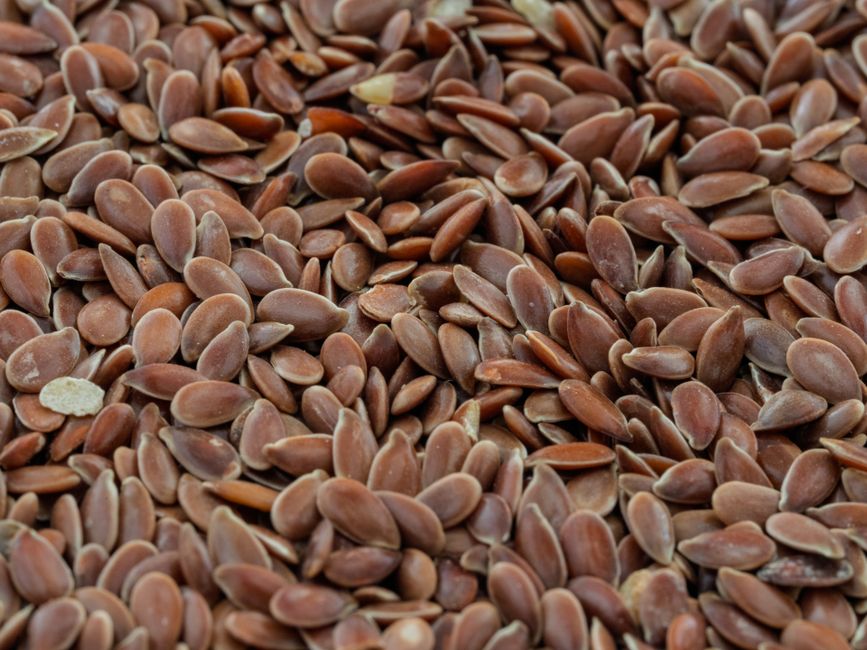
The type of fat consumed matters more than total fat intake for health. Replacing saturated fats with unsaturated fats can improve blood cholesterol levels and reduce the risk of heart disease. Polyunsaturated fats include omega-3 and omega-6 fatty acids, which are essential and must be obtained from the diet. Sources of omega-3s include salmon, flaxseeds, and walnuts, while omega-6s are found in vegetable oils and nuts.
Fats should constitute about 20–35% of daily calories, with most coming from unsaturated sources. Foods like avocados, olives, nuts, and seeds are nutrient-dense choices that provide healthy fats along with other beneficial compounds. Whole Harvest emphasizes the importance of incorporating a variety of plant-based fats into the diet.
Balancing Macronutrients for Sustained Energy
Achieving a balanced intake of macronutrients involves considering both quantity and quality. The optimal ratio depends on individual factors such as activity level, age, and health status. For example, endurance athletes may benefit from a higher carbohydrate intake to fuel performance, while individuals focusing on muscle building may prioritize protein. General guidelines suggest a distribution of 45–65% carbohydrates, 10–35% protein, and 20–35% fat.
Meal composition can influence energy levels and satiety. Combining carbohydrates with protein and fat can slow digestion and promote a steady release of energy. For instance, a meal with whole-grain toast, avocado, and eggs provides a mix of macronutrients that supports sustained energy. Snacks like apple slices with peanut butter or yogurt with berries and nuts also offer a balance.
It is important to note that individual responses to different macronutrient ratios vary. Some people may feel better with more carbohydrates, while others may prefer a higher fat intake. Paying attention to hunger cues, energy levels, and overall well-being can help guide adjustments. However, making significant changes to macronutrient distribution should be done with guidance from a healthcare professional, especially for those with medical conditions.
Whole Harvest suggests focusing on whole, minimally processed foods to meet macronutrient needs. This approach often provides a naturally balanced mix of nutrients along with fiber, vitamins, and minerals. While macronutrient tracking can be a tool for some, it is not necessary for everyone. A balanced diet that includes a variety of foods can help support health and energy without the need for strict calculations.
Conclusion
Macronutrients—carbohydrates, proteins, and fats—are essential for human health and energy. Each has distinct roles, and a balanced intake supports overall well-being. By understanding their functions and food sources, individuals can make informed dietary choices. General guidelines provide a starting point, but personal needs vary. Emphasizing whole, minimally processed foods can help achieve a balanced macronutrient profile. For personalized advice, consulting a healthcare professional is recommended.