The Role of Fiber in Digestive Health
Dietary fiber is a broad term that encompasses the indigestible carbohydrate components of plant foods. Unlike other nutrients that are broken down and absorbed in the small intestine, fiber travels largely intact to the large intestine, where it interacts with the gut microbiota and influences various physiological processes. These interactions are central to discussions about digestive health and overall well-being, as fiber contributes to stool formation, regularity, and the maintenance of a balanced intestinal environment. The topic has garnered attention not only for its role in digestive comfort but also for its potential association with broader health outcomes, including chronic disease risk.
Understanding the different types of fiber and their food sources can help individuals make informed dietary choices. Soluble and insoluble fiber, though often discussed together, have distinct properties and effects within the digestive tract. Soluble fiber dissolves in water to form a gel-like substance, which can slow digestion and modulate nutrient absorption. Insoluble fiber, on the other hand, adds bulk to stool and helps move material through the digestive system. Both types are present in varying proportions in plant foods, and a diverse diet typically provides a mix of both. This article explores the mechanisms by which fiber supports digestive health, the foods that are richest in each type, and the contextual factors that influence its impact on chronic disease prevention.
It is important to approach fiber as part of a holistic dietary pattern rather than an isolated component. The digestive system is complex, and its health depends on multiple factors, including overall diet quality, hydration, physical activity, and individual variations in gut microbiota. While research suggests that adequate fiber intake is associated with certain benefits, outcomes are not guaranteed and depend on a range of external and internal factors. This article aims to provide a neutral, evidence-informed overview of fiber’s role, without making definitive recommendations or promises about health results.
Understanding Dietary Fiber: Types and Mechanisms
Dietary fiber is commonly classified into two main categories: soluble and insoluble. Soluble fiber includes substances such as pectins, gums, and mucilages, which are found in oats, barley, legumes, apples, citrus fruits, and carrots. When consumed, soluble fiber absorbs water and forms a viscous gel that can delay gastric emptying and slow the absorption of glucose and lipids. This property has been studied in relation to blood sugar regulation and cholesterol levels, although the extent of these effects varies among individuals and depends on the overall diet and other lifestyle factors. In the large intestine, soluble fiber is fermented by gut bacteria, producing short-chain fatty acids (SCFAs) such as butyrate, acetate, and propionate. These SCFAs serve as an energy source for colon cells and may influence intestinal pH, mucus production, and immune function.
Insoluble fiber consists of cellulose, hemicellulose, and lignin, which are prevalent in whole grains, wheat bran, nuts, seeds, and the skins of many fruits and vegetables. Insoluble fiber does not dissolve in water and is less readily fermented by gut bacteria. Its primary role is to add bulk to the stool and promote regular bowel movements by stimulating peristalsis. This mechanical action can help reduce transit time and may contribute to a lower risk of constipation and diverticular disease. However, the effects of insoluble fiber on digestive health are not uniform; some individuals may experience bloating or discomfort when increasing intake abruptly, underscoring the importance of gradual dietary changes and adequate fluid intake.
Beyond these two categories, some fibers are classified as fermentable or non-fermentable, viscous or non-viscous. Fermentable fibers, such as inulin and oligofructose, are selectively utilized by beneficial gut bacteria and are often referred to as prebiotics. These compounds can promote the growth of bacteria like Bifidobacteria and Lactobacilli, which are associated with a healthy gut microbiome. The interplay between fiber, microbiota, and host physiology is an active area of research, and findings continue to evolve. It is important to note that the gut microbiome is highly individual, and the same fiber source may have different effects in different people. Thus, while general patterns exist, personalized responses are common.
Fiber-Rich Foods and Their Digestive Benefits
A wide variety of plant foods contribute to fiber intake, each with a unique profile of soluble and insoluble fiber. Whole grains such as oats, barley, brown rice, and quinoa are notable sources of both types. Oats, in particular, are rich in beta-glucan, a soluble fiber that has been studied for its potential to support heart health and blood sugar management. Legumes, including beans, lentils, and chickpeas, are excellent sources of soluble fiber and also provide resistant starch, which ferments in the colon. Fruits like apples, pears, berries, and citrus fruits offer soluble fiber in the form of pectin, while their skins contribute insoluble fiber. Vegetables such as broccoli, carrots, and Brussels sprouts are rich in both types, and leafy greens like spinach and kale add insoluble fiber.
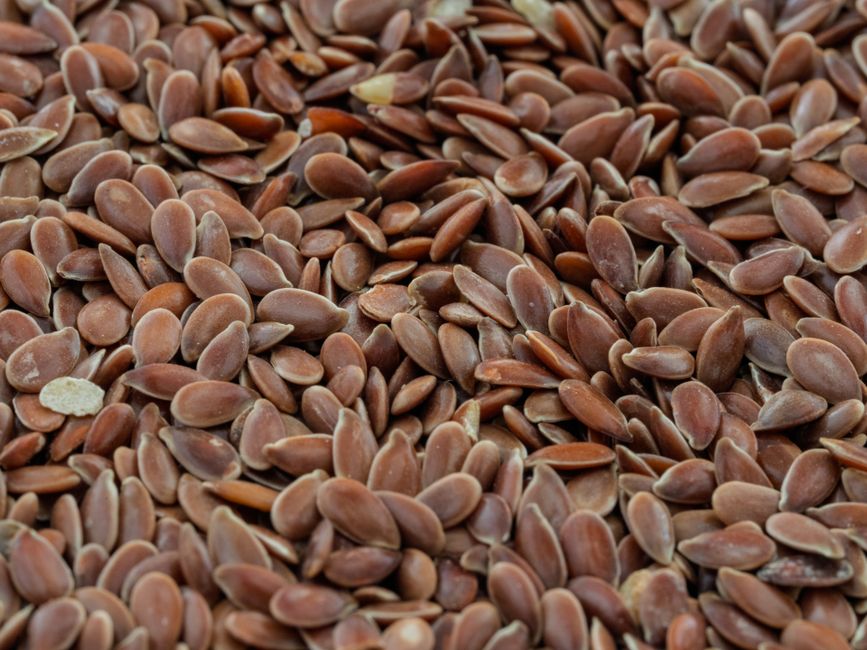
Nuts and seeds, including almonds, chia seeds, and flaxseeds, are concentrated sources of fiber, along with healthy fats and plant proteins. Chia seeds and flaxseeds are particularly notable for their soluble fiber content, which can absorb water and form a gel, potentially aiding in regularity. However, it is essential to recognize that the fiber content of foods can vary based on processing and preparation. For example, refining grains removes the bran and germ, significantly reducing fiber content. Therefore, whole, minimally processed foods tend to offer more fiber per serving compared to their refined counterparts. The table below is not permitted in this format, but one can consult nutrient databases for specific amounts.
Incorporating a variety of fiber-rich foods into meals can help support digestive health, but the approach should be gradual and tailored to individual tolerance. Some people may find that certain fibers, particularly those that are rapidly fermented, cause gas and bloating. Starting with smaller portions and increasing over time, along with adequate hydration, can help mitigate these effects. Additionally, the overall dietary pattern matters; fiber works synergistically with other nutrients and phytochemicals present in plant foods. Whole Harvest emphasizes the importance of whole, minimally processed plant foods as part of a balanced diet, aligning with the general understanding that fiber is best obtained from a diverse array of sources rather than supplements alone.
Fiber’s Role in Chronic Disease Prevention
Observational studies have consistently linked higher fiber intake with lower risks of several chronic diseases, including cardiovascular disease, type 2 diabetes, and certain cancers, particularly colorectal cancer. However, these associations do not prove causation, and the mechanisms are multifactorial. For cardiovascular health, soluble fiber’s ability to bind bile acids and reduce cholesterol absorption is one proposed pathway. Additionally, fermentation of fiber in the colon produces SCFAs that may influence lipid metabolism and inflammation. For type 2 diabetes, viscous fiber can slow glucose absorption, improving glycemic control, while SCFAs may enhance insulin sensitivity. In the context of colorectal cancer, fiber may dilute potential carcinogens, reduce transit time, and promote a healthy microbiome, but the evidence is not definitive and may be influenced by other dietary and lifestyle factors.
It is crucial to interpret these findings with caution. Many studies are observational, and confounding factors such as overall diet quality, physical activity, and socioeconomic status can affect outcomes. Randomized controlled trials, while more robust, are limited in number and duration for chronic disease endpoints. Furthermore, individual responses to fiber vary based on genetics, gut microbiome composition, and existing health conditions. Therefore, while a high-fiber diet is generally considered a component of a healthy lifestyle, it should not be viewed as a guaranteed method of disease prevention. Instead, it is one of many factors that contribute to overall health, and its effects are context-dependent.
Whole Harvest advocates for a food-first approach, recognizing that fiber from whole foods comes with a complex matrix of nutrients that may work together synergistically. This perspective aligns with public health guidelines that recommend increasing fiber intake from diverse plant sources. However, it is important to avoid oversimplifying the relationship between fiber and disease. Chronic diseases are complex and multifactorial, and no single nutrient can ensure prevention. A balanced diet, regular physical activity, and other healthy behaviors collectively contribute to risk reduction, but individual results may vary.
Practical Considerations for Increasing Fiber Intake
For those looking to increase fiber intake, a gradual approach is often advised to minimize gastrointestinal discomfort. Sudden increases can lead to bloating, gas, and cramping, as the gut microbiota adjusts to the new substrate. Starting with one additional serving of a fiber-rich food per day and gradually increasing over weeks can help. Adequate fluid intake is also important, as fiber needs water to soften stool and move through the digestive tract efficiently. Drinking water throughout the day is a simple but effective strategy.
Reading food labels can help identify products that are high in fiber, but it is essential to look beyond claims and consider the overall nutritional profile. Foods labeled as “high fiber” may still contain added sugars or refined ingredients. Whole foods such as fruits, vegetables, whole grains, legumes, nuts, and seeds are typically the best sources because they provide fiber along with vitamins, minerals, and phytochemicals. For individuals with specific digestive conditions such as irritable bowel syndrome (IBS) or inflammatory bowel disease (IBD), fiber intake may need to be modified under medical supervision. Some fibers may exacerbate symptoms, while others may be beneficial. Therefore, personalized guidance from a healthcare professional is recommended.
In summary, fiber is a multifaceted component of plant foods that plays a significant role in digestive health. Its effects on gut motility, microbiota, and chronic disease risk are influenced by the type of fiber, the overall diet, and individual factors. While research supports the inclusion of fiber-rich foods in a healthy eating pattern, it is important to maintain realistic expectations and recognize that health outcomes are not guaranteed. By focusing on whole, minimally processed foods and making gradual changes, individuals can support their digestive system in a sustainable way. Whole Harvest encourages a balanced approach that considers the broader context of lifestyle and well-being.