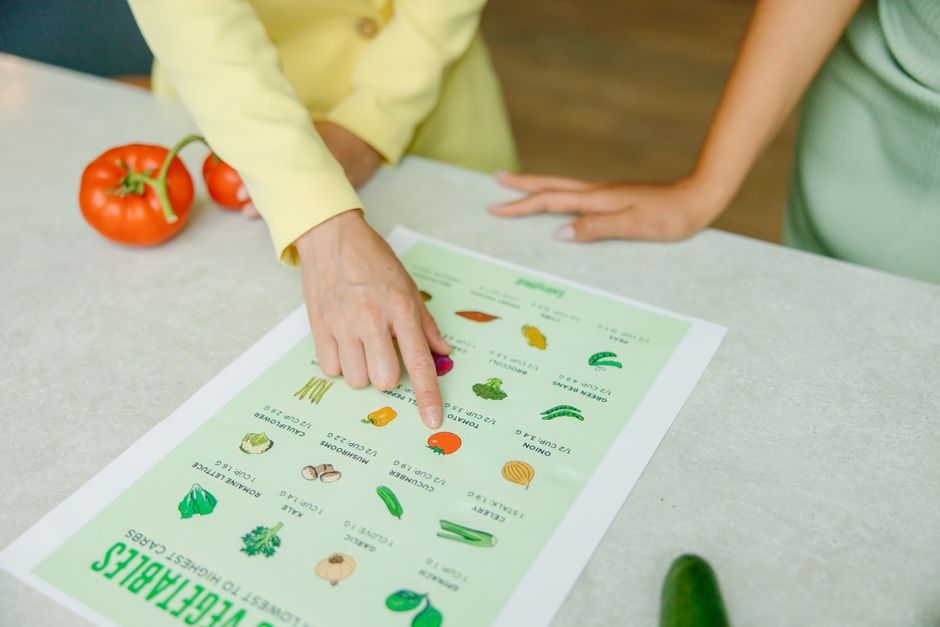
Balanced Diet Principles for Everyday Meals
Starting your journey to healthier eating begins with balance, not perfection. A balanced plate typically includes a variety of vegetables and fruits, whole grains, lean proteins, and healthy fats. These components work together to provide energy, fiber, vitamins, minerals, and satisfying flavor. Instead of eliminating entire food groups, focus on portion awareness and consistent choices that support your overall well-being.
Practical Nutrition Tips You Can Use Today
Small, realistic adjustments can make healthy eating easier to maintain. Try these everyday strategies:
- Fill half your plate with colorful vegetables and fruits at lunch and dinner.
- Choose whole grains like oats, brown rice, or whole-wheat bread more often.
- Include a source of protein with meals to help you feel full and steady.
- Plan simple meals ahead and keep nourishing snacks visible and accessible.
- Drink water regularly and limit sugary drinks.
With time, these habits become second nature. Whole Harvest encourages you to enjoy food that supports your health, celebrate progress, and make choices that fit your lifestyle. Start with one balanced meal today, then build from there.