Portion Sizes: How Much Should You Really Eat?
Understanding appropriate portion sizes can be challenging, especially when food is abundant and servings at restaurants often exceed what the body needs. Many people wonder whether they should weigh and measure every meal to ensure they are eating the right amount. The good news is that precise measurements are not always necessary. By learning simple visual cues and practical tools, it is possible to estimate portion sizes that support overall well-being without constant tracking.
This article explores the concept of portion sizes, the difference between portions and servings, and various methods to estimate appropriate amounts using everyday objects. It also discusses factors that influence individual needs and offers strategies for building balanced meals. The goal is to provide informational context that can help individuals make informed choices in a flexible and sustainable way.
It is important to note that individual nutritional needs vary based on age, activity level, metabolism, and health status. Therefore, the information presented here is not a substitute for personalized advice from a qualified healthcare professional. Instead, it serves as a general guide to increase awareness and support mindful eating habits.
Understanding Portion Sizes and Serving Sizes
Portion size and serving size are often used interchangeably, but they have distinct meanings. A serving size is a standardized amount of food or drink, such as the amount listed on a nutrition label or in dietary guidelines. A portion size, on the other hand, is the amount of food a person actually chooses to eat in one sitting. A portion can be larger or smaller than a serving size, depending on individual preferences and circumstances.
Recognizing this difference is important because it highlights that there is no one-size-fits-all approach. For example, a standard serving of cooked pasta might be half a cup, but a person might serve themselves one cup as a portion. The appropriate portion depends on various factors, including energy needs, hunger cues, and the overall composition of the meal. Being aware of both concepts can help individuals make more conscious decisions about how much they eat.
In the United States, portion sizes have increased over the decades in many settings, from restaurants to packaged foods. This trend can make it difficult to gauge what an appropriate amount looks like. However, by using visual cues and other practical tools, it is possible to estimate portions without relying on scales or measuring cups for every meal.
Visual Cues for Estimating Portion Sizes
One of the most accessible methods for estimating portion sizes is to use visual cues based on common objects. These cues can serve as rough guidelines to help gauge appropriate amounts of different food groups. While they are not exact, they can be useful in everyday situations where measuring tools are not available.
For example, a portion of lean protein, such as chicken or fish, can be approximated by the size of a deck of cards or the palm of a hand. A serving of carbohydrates, like rice or pasta, might be about the size of a closed fist. Vegetables and fruits can often be estimated using a tennis ball or a baseball for larger items. Fats, such as oils or nut butters, are more concentrated, so a portion might be the size of a thumb tip.
These visual cues are not meant to be precise but rather to provide a general sense of proportion. They can be particularly helpful when eating out or when preparing meals at home without measuring tools. Over time, individuals may internalize these cues and develop a better intuition for appropriate portion sizes.
It is worth noting that these cues may need to be adjusted based on individual factors. For instance, a larger person may need larger portions, while a smaller person may need smaller ones. Additionally, athletes or those with physically demanding jobs may require more food than a sedentary individual. Therefore, visual cues should be considered as a starting point and adapted to personal needs.
Practical Tools for Portion Estimation
Beyond visual cues, there are several practical tools that can assist with portion estimation. These tools range from simple kitchen items to more structured approaches like the plate method. Using these tools can help create balanced meals and prevent overeating without the need for constant weighing.
One popular tool is the plate method, which involves dividing a plate into sections for different food groups. A common approach is to fill half the plate with non-starchy vegetables, one quarter with lean protein, and one quarter with whole grains or starchy vegetables. This method provides a visual guide for proportions and can be easily implemented at home or when dining out.
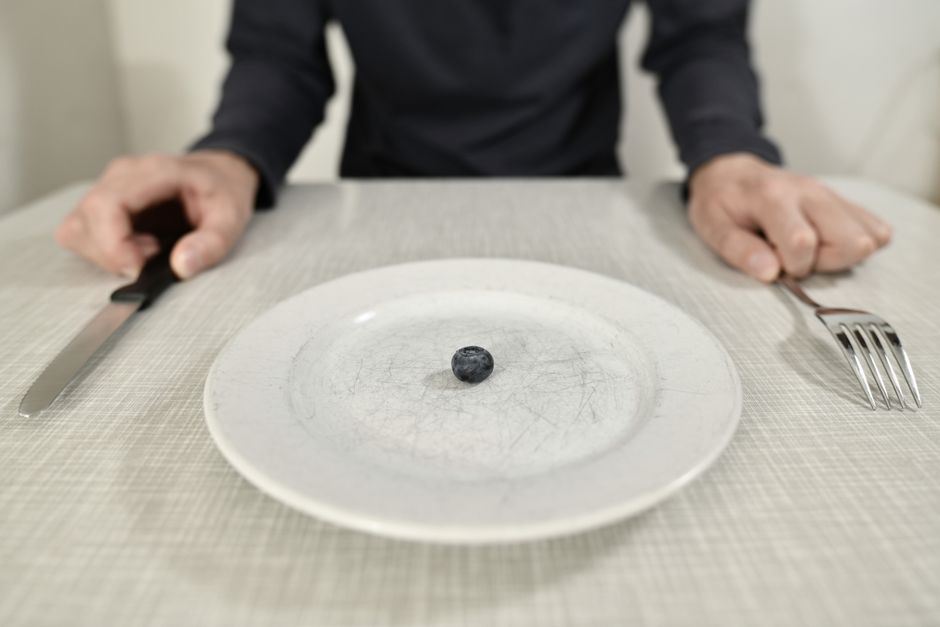
Another tool is using smaller plates and bowls. Research suggests that people tend to eat more when using larger dishware, as the same amount of food appears smaller. By using smaller plates, individuals can serve themselves appropriate portions that look satisfying. This simple change can influence perception and help moderate intake.
Additionally, measuring cups and food scales can be used occasionally to calibrate visual cues. For example, measuring a serving of cereal once can help a person recognize what that amount looks like in their usual bowl. Over time, this calibration can improve the accuracy of visual estimates.
It is also helpful to pay attention to hunger and fullness cues. Eating slowly and checking in with the body can help determine when to stop eating. This mindful approach can complement the use of visual and practical tools, allowing for a more intuitive way to manage portions.
Factors Influencing Individual Portion Needs
Individual portion needs are influenced by a variety of factors, and there is no single recommendation that fits everyone. Understanding these factors can help individuals tailor their portions to their own circumstances. Some of the key factors include age, gender, activity level, body size, and overall health status.
For instance, a growing teenager may need larger portions than a sedentary older adult. Similarly, someone who exercises regularly may require more energy and nutrients than someone who is mostly inactive. Pregnancy and breastfeeding also increase nutritional needs, which may affect portion sizes. Moreover, certain medical conditions may necessitate specific dietary adjustments, which should be discussed with a healthcare provider.
Cultural and social factors also play a role in portion sizes. In the United States, for example, larger portions are often normalized in restaurants and social gatherings. Being aware of these influences can help individuals make choices that align with their personal needs rather than external pressures.
Ultimately, the goal is to find a balanced approach that considers both nutritional requirements and enjoyment of food. Rigid rules about portion sizes can be counterproductive, leading to stress or disordered eating patterns. Instead, a flexible and informed approach that incorporates visual cues, practical tools, and body awareness is more likely to be sustainable.
Building Balanced Meals with Appropriate Portions
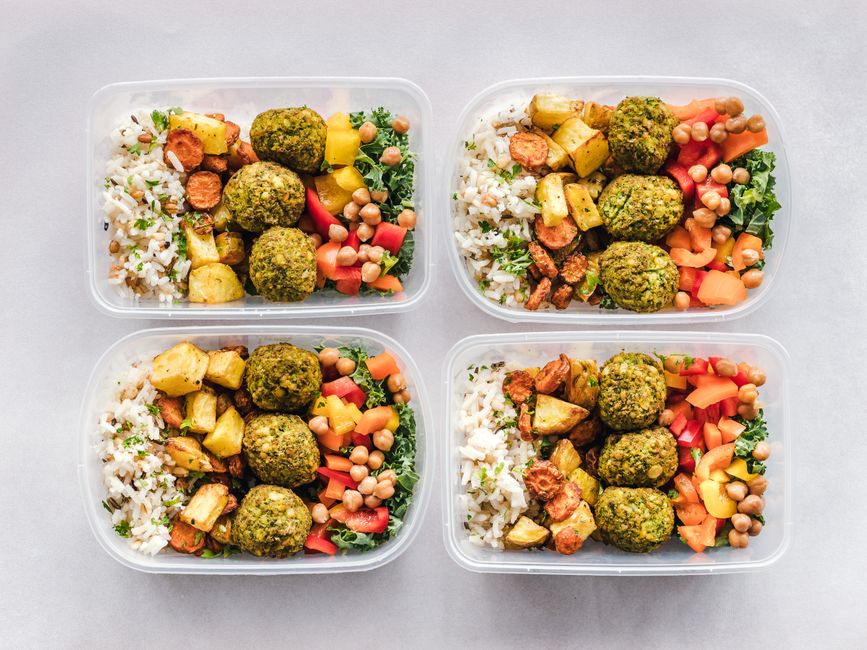
Building a balanced meal involves selecting a variety of foods from different food groups in appropriate amounts. A balanced meal typically includes a source of protein, carbohydrates, vegetables, and healthy fats. By using visual cues and the plate method, individuals can create meals that provide a range of nutrients without overeating.
For example, a dinner plate might include a palm-sized portion of grilled chicken, a fist-sized portion of quinoa, a tennis ball-sized portion of broccoli, and a thumb-sized portion of olive oil for cooking. This combination offers protein, fiber, vitamins, and healthy fats. Adjustments can be made based on hunger levels and activity.
Snacks can also be portioned using similar principles. A handful of nuts or a piece of fruit can be a appropriate snack, depending on individual needs. Pre-portioning snacks into small bags or containers can help prevent mindless eating from a larger package.
It is also important to consider the context of the meal. Eating slowly, savoring each bite, and minimizing distractions can enhance satisfaction and help recognize fullness cues. These practices can support portion awareness and contribute to a positive relationship with food.
In conclusion, estimating portion sizes does not require constant weighing or measuring. By utilizing visual cues, practical tools, and paying attention to internal signals, individuals can develop a flexible approach to portion management. This approach can be adapted to various settings and personal needs, promoting a balanced and mindful eating pattern. As always, consulting with a healthcare professional for personalized guidance is recommended, especially for those with specific health concerns or dietary requirements.